

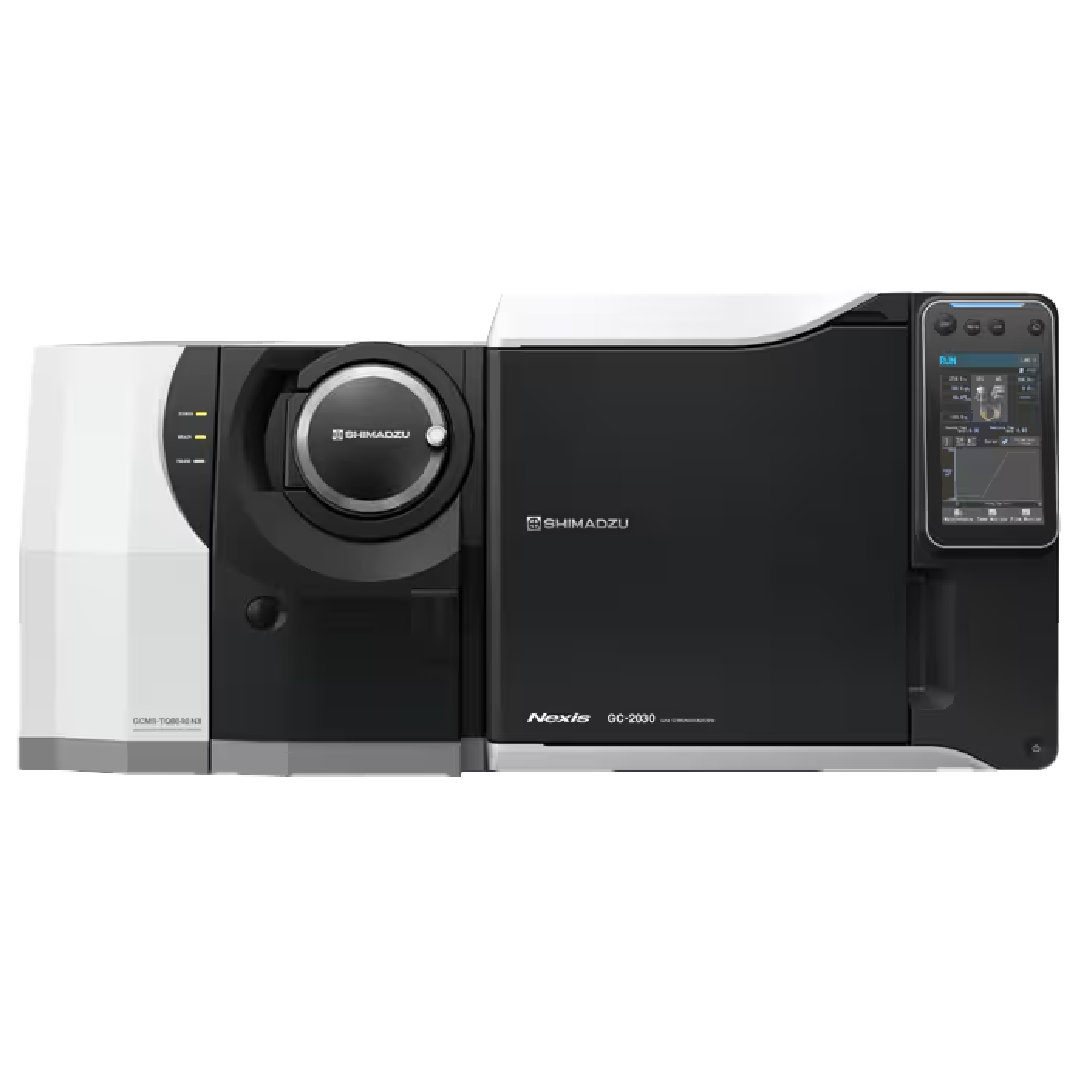
Shimadzu GCMS-TQ8040NX is the most suitable system for measurement of volatile substances and residual compounds in different matrices. Equipped with an ion source that features high sensitivity and long-term stability along with a high-efficiency collision cell, the GCMS-TQ8040NX provides sensitive, stable analyses over a long period of time. The highly popular Nexis GC-2030 assures high precision over flow-rates and temperature settings, enabling data acquisition with very high reliability.
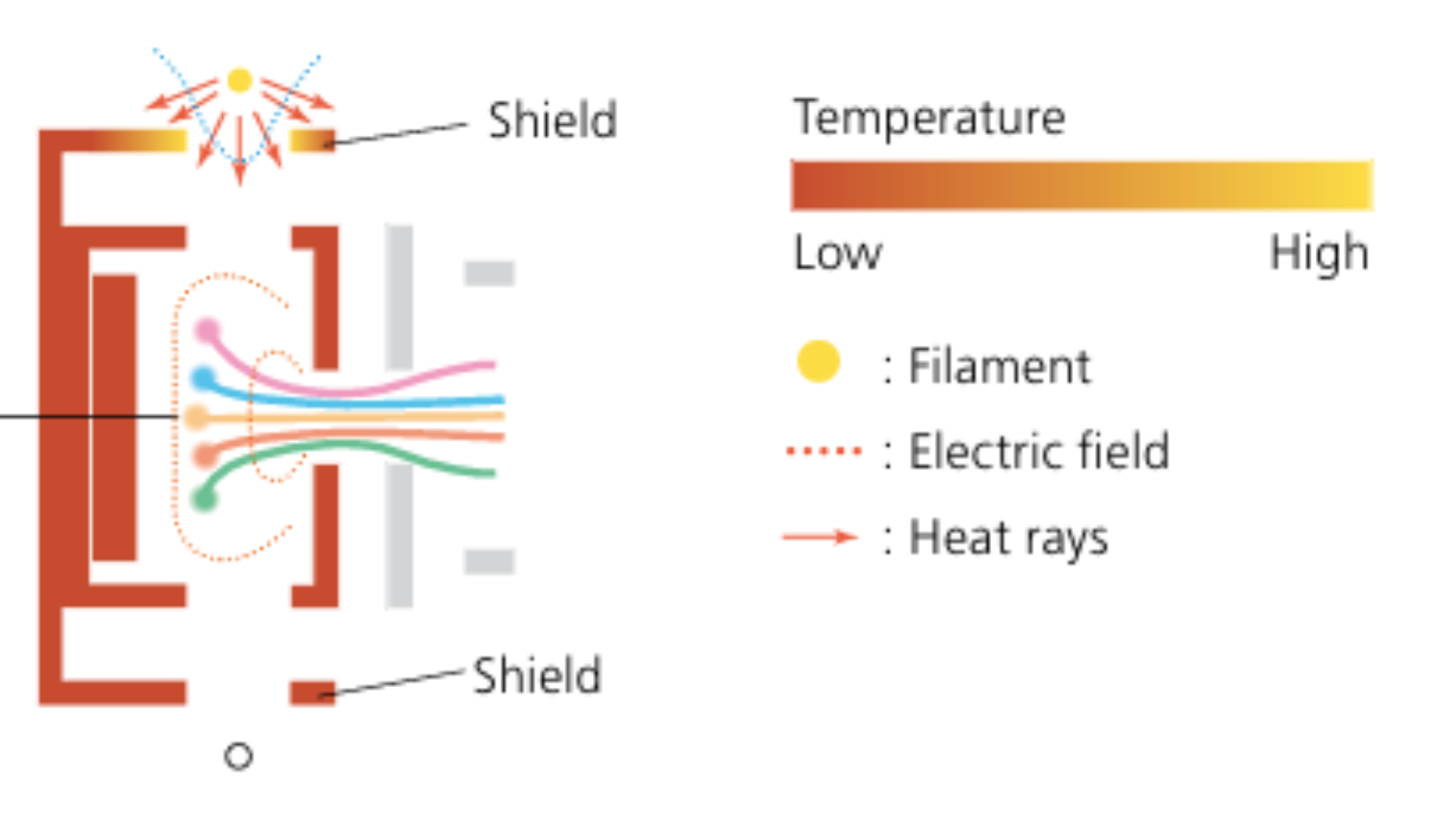
High accuracy mass filter with pre-rods and patented electric field control technology, deliver high-accuracy mass separation performance. Proprietary UFsweeper technology achieves high-speed MRM analysis at speeds up to 800 transitions per second. High-efficiency CID and rapid ion removal minimizes cross-talk and enables superior trace analysis.
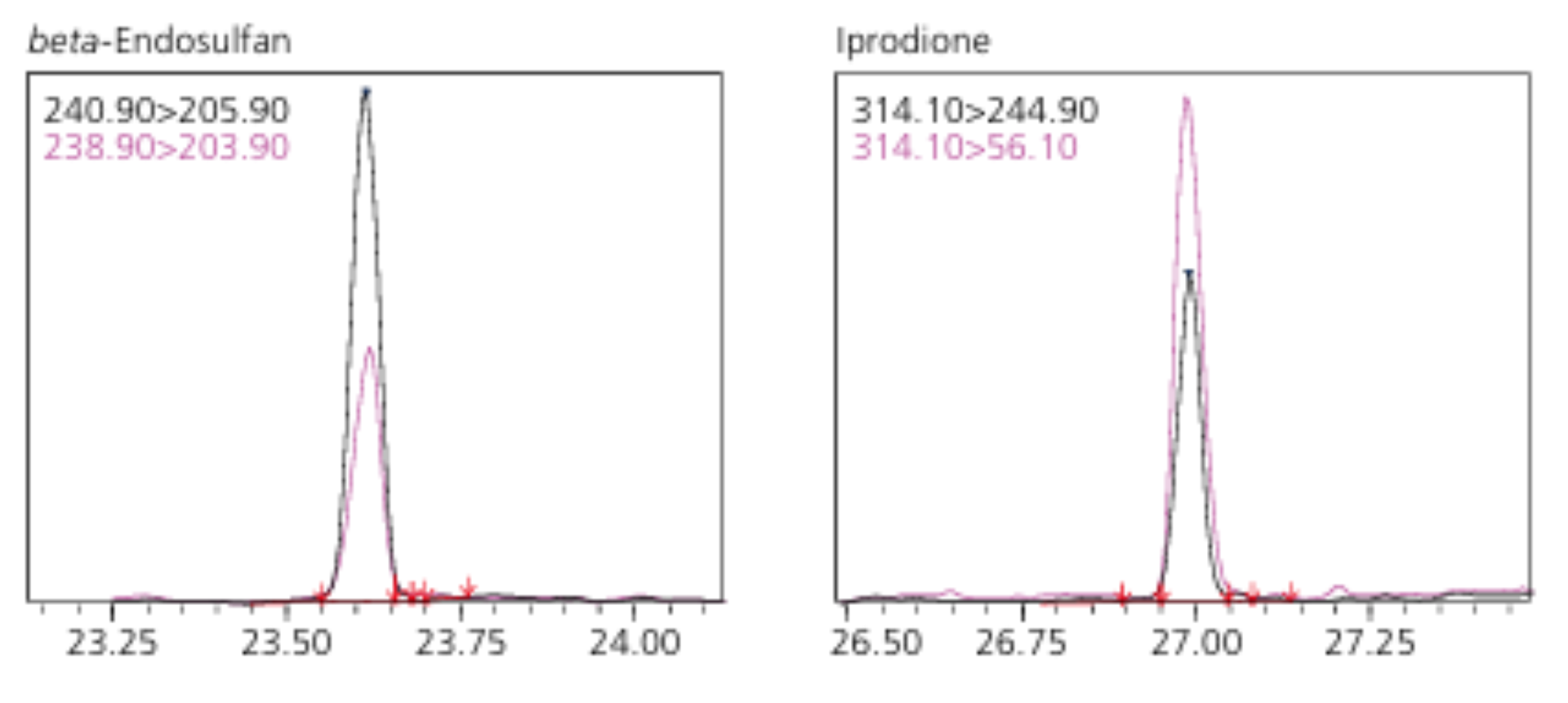
Using GCMSsolutionTM software, Smart MRM, the method creation function, analytical methods can be created using transitions data in the ‘Smart Database’. In addition to the compound information and transitions, the Smart Database can have retention index, Scan and SIM information, mass spectra and calibration curve information from the internal standard can be registered to make the database more comprehensive.
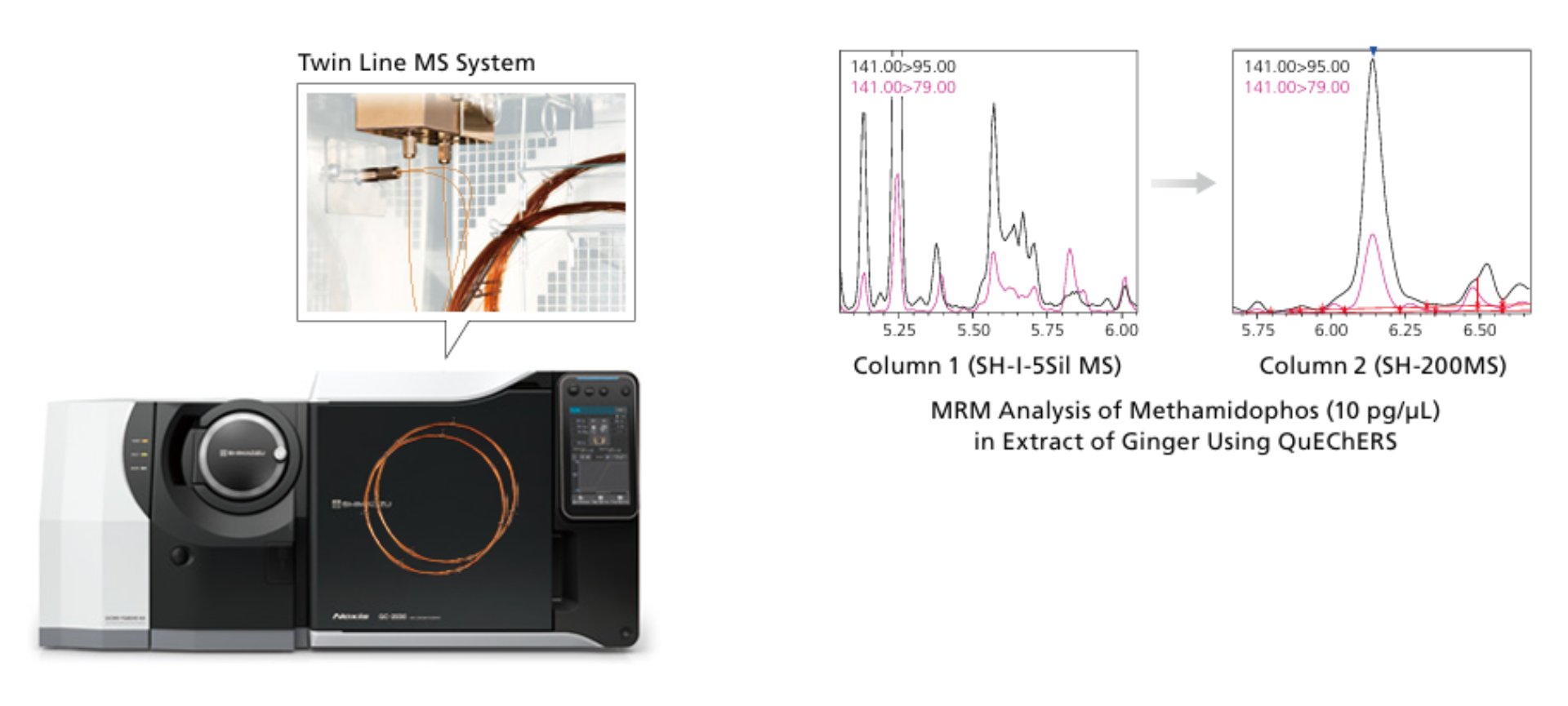
Data acquired from multiple systems can be reviewed or confirmed using client computers connected via a LAN or other network. The Smart Pesticides DatabaseTM covers 530 compounds subject to GC-MS analysis and contains information on optimized analysis conditions, so users can start an analysis immediately.
LabSolutions Insight quantitative analysis support software includes functionality for enhancing the throughput of multianalyte data analysis, making it especially helpful for routine analysis. Quantitative results for a series of data sets can be displayed at the same time for data analysis. Chromatograms for each set of sample data can be displayed side-by-side for each compound, making it easy to confirm peak detection and quantitative results. Color-coded flagging functionality makes it easy to quickly see peaks from any of multiple analytes that exceed criteria values. That drastically decreases the number of peaks that need to be checked and improves the efficiency of quantitative analysis.