

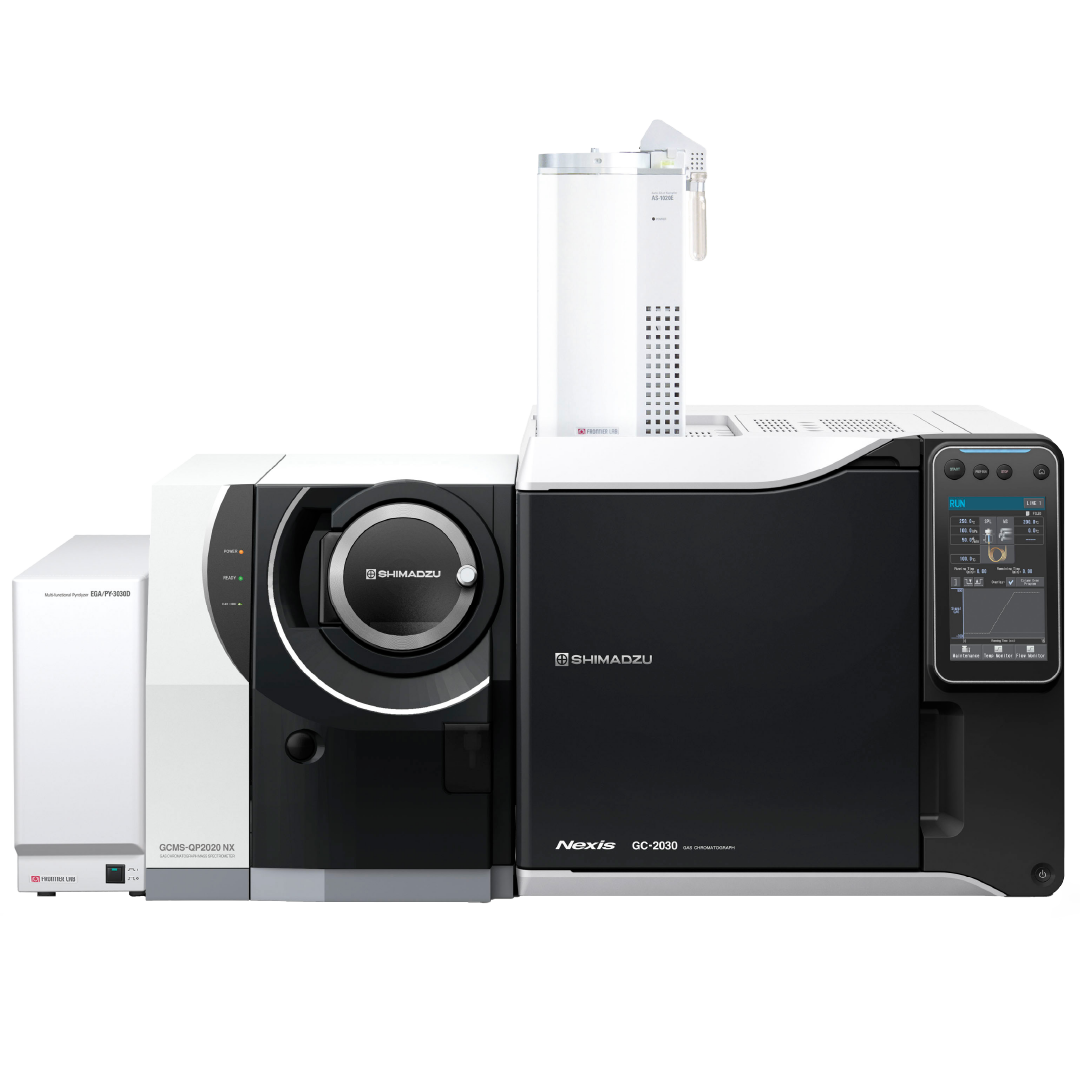
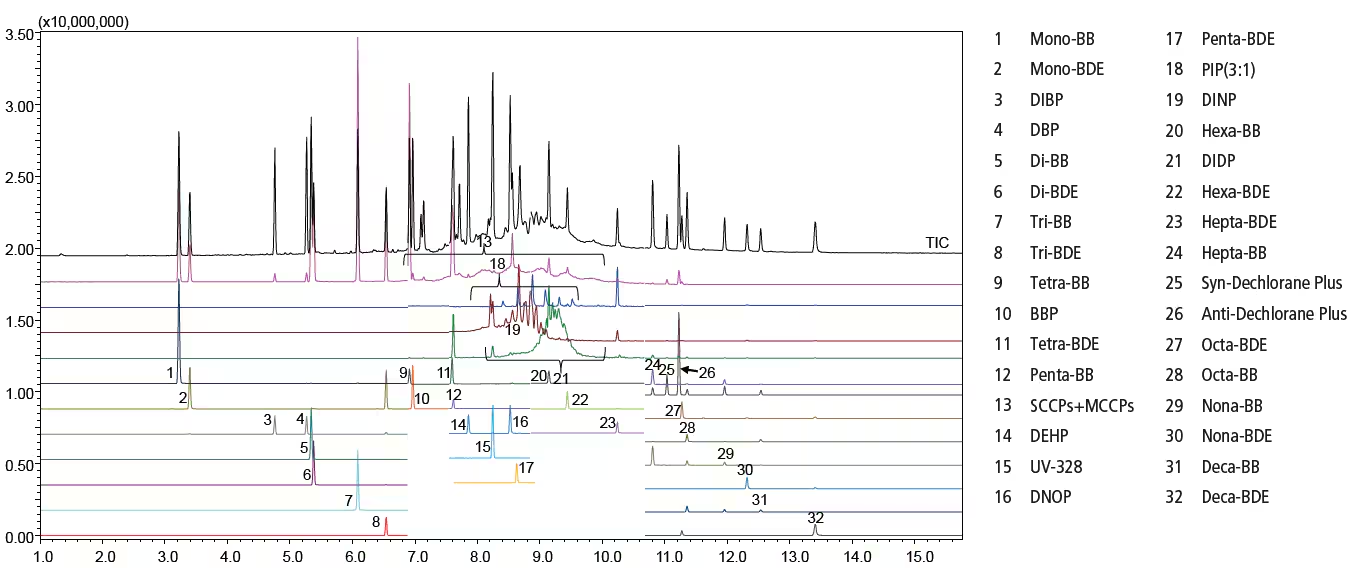
The Py-Screener™ Ver. 3 can screen for 7 types of phthalate esters and brominated flame retardants (PBBs, PBDEs), including substances regulated under the RoHS Directive. In addition, it can also test for PIP (3:1), which is regulated under the US TSCA (Toxic Substances Control Act), as well as UV-328, Dechlorane Plus (DP), and short-chain chlorinated paraffins (SCCPs) and medium-chain chlorinated paraffins (MCCPs), which are regulated under the Stockholm Convention (POPs Convention) on Persistent Organic Pollutants (POPs). These regulated compounds, thermally extracted from the sample by Pyrolysis-GC-MS (Py-GC-MS), are selectively detected and quantified.
The system can perform batch inspections for phthalate esters and a total of 20 PBBs and PBDEs with between 1 and 10 bromine atoms. Using the correction factor database, the software can automatically create calibration curves for substances not included in the standard sample, based on the calibration curve information for substances contained in the measured standard sample, and calculate the concentrations of all of the above substances. It is possible to perform detailed RoHS inspections, by comprehensively testing for phthalate esters, PBBs, and PBDEs, which are regulated under the RoHS Directive.
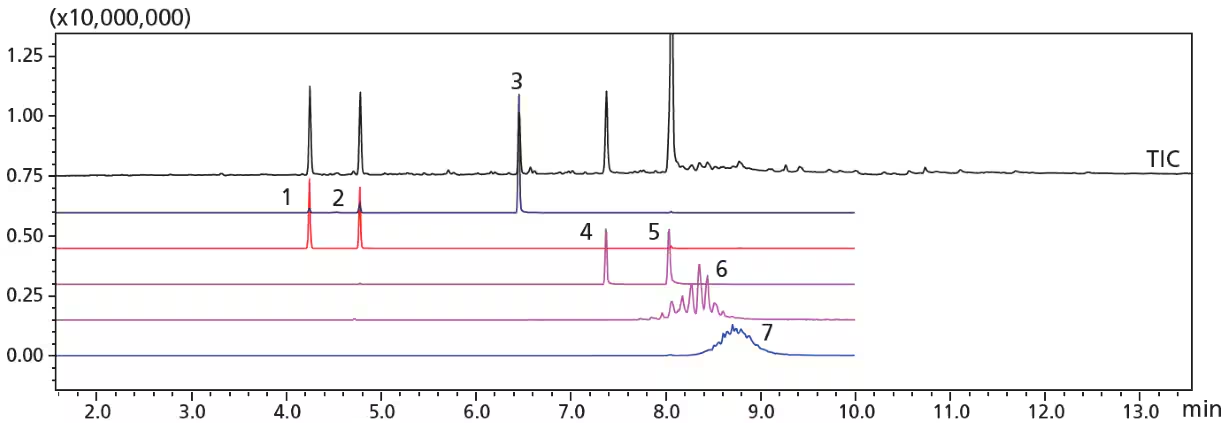
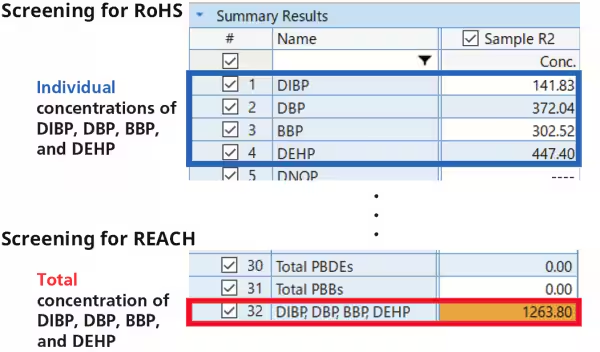
The system is capable of automatic screening determinations with respect to the total calculated concentration of these 4 phthalate esters. Py-Screener Ver. 3 can also be used for phthalate ester inspections to support compliance with the REACH Regulation.
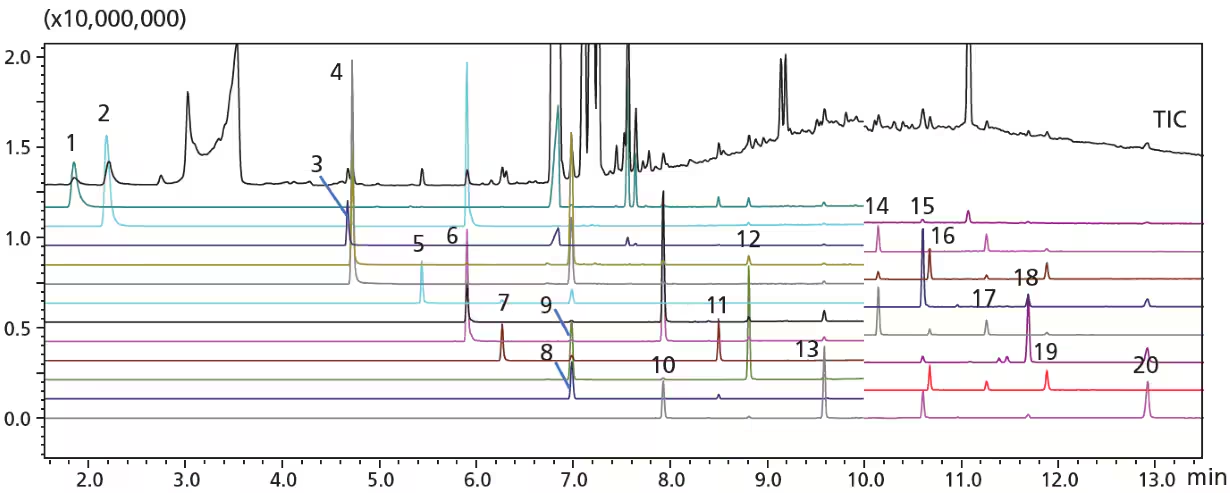
PIP (3:1), UV-328, DP, and SCCPs/MCCPs can be analyzed together with phthalate esters and brominated flame retardants. The efficiency of analysis operations can be improved by testing multiple compounds simultaneously.
Py-Screener Ver. 3 consists of dedicated software for easy screening, special standard samples, and a sampling tool kit, making it simple to operate even for first-time users.