Designed by scientists, for scientists. Technobis instruments take you from milligram polymorph screens to solubility curves, particle imaging and reaction development, all on the bench. Spinco supplies, installs and supports the full workflow.
A stirred vial of suspension is heated slowly while a light beam passes through it. As the crystals dissolve, more light reaches the detector. When it reads 100%, that temperature is the clear point.
02Cool & nucleate
The clear solution is cooled. It stays clear while it becomes supersaturated, until crystals suddenly appear and block the beam. That temperature is the cloud point.
03Map solubility
Repeating this across concentrations gives the solubility curve. The gap between clear and cloud points is the metastable zone width (MSZW), which you use to design a controlled crystallization.
Illustrative cycle, not to scale
Product range
One Workflow, From Screening to Crystallization
Filter by application or scale. The range runs as one workflow, from milligram screening to particle imaging and reaction development.
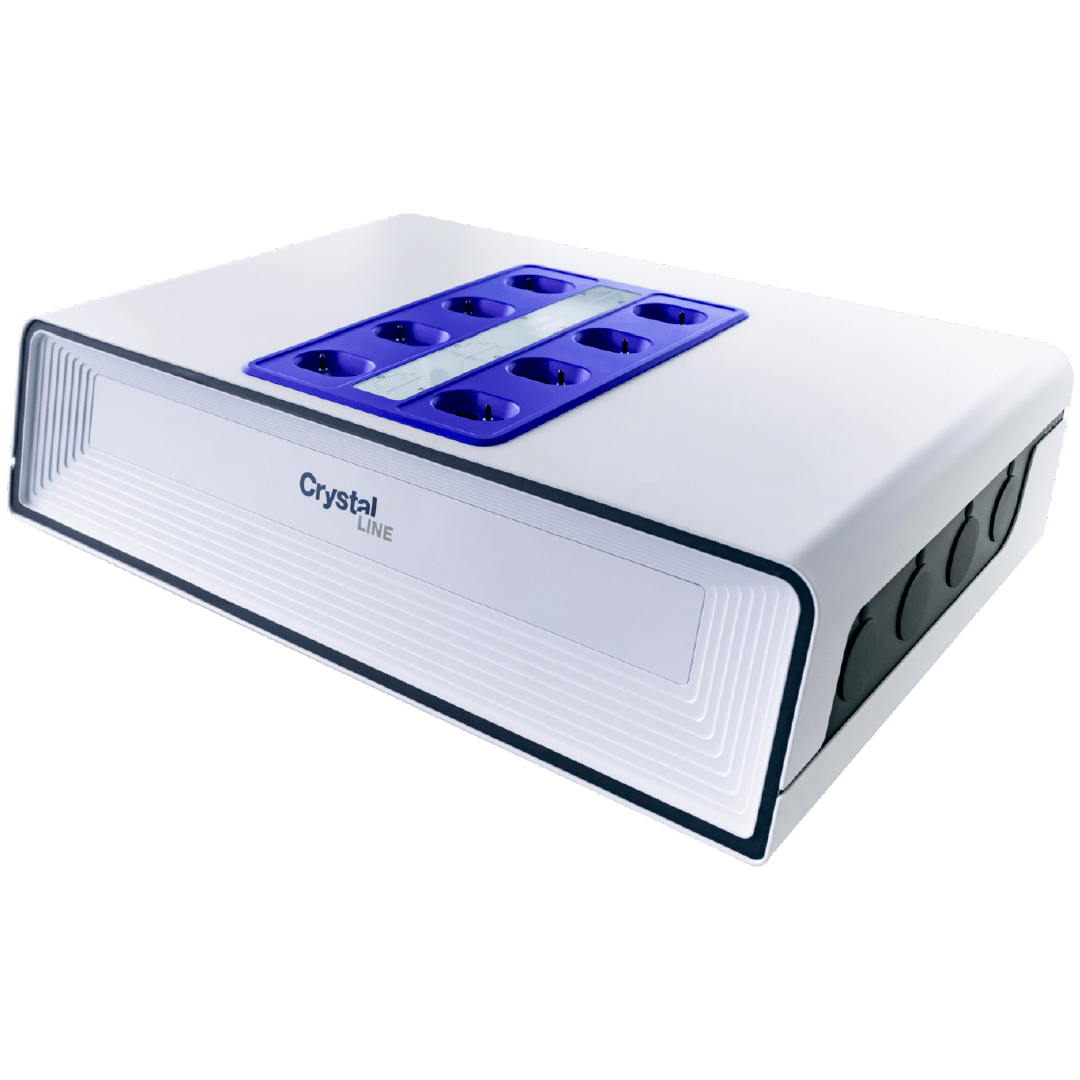
Bench-top platform with 32 parallel reactors for solid-state crystallization research. Screens start from as little as 1 mg of sample, with evaporation and vapour-diffusion modules.
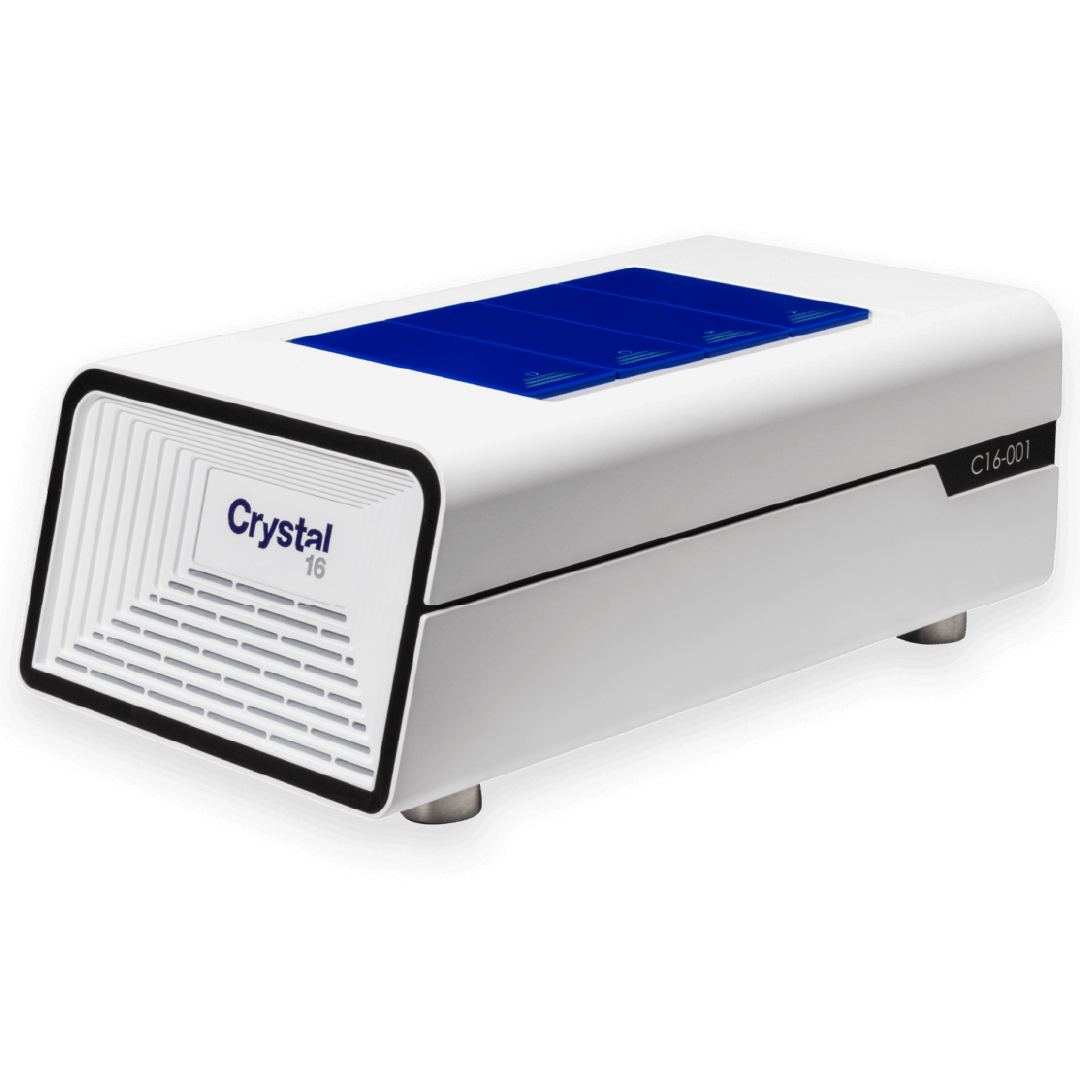
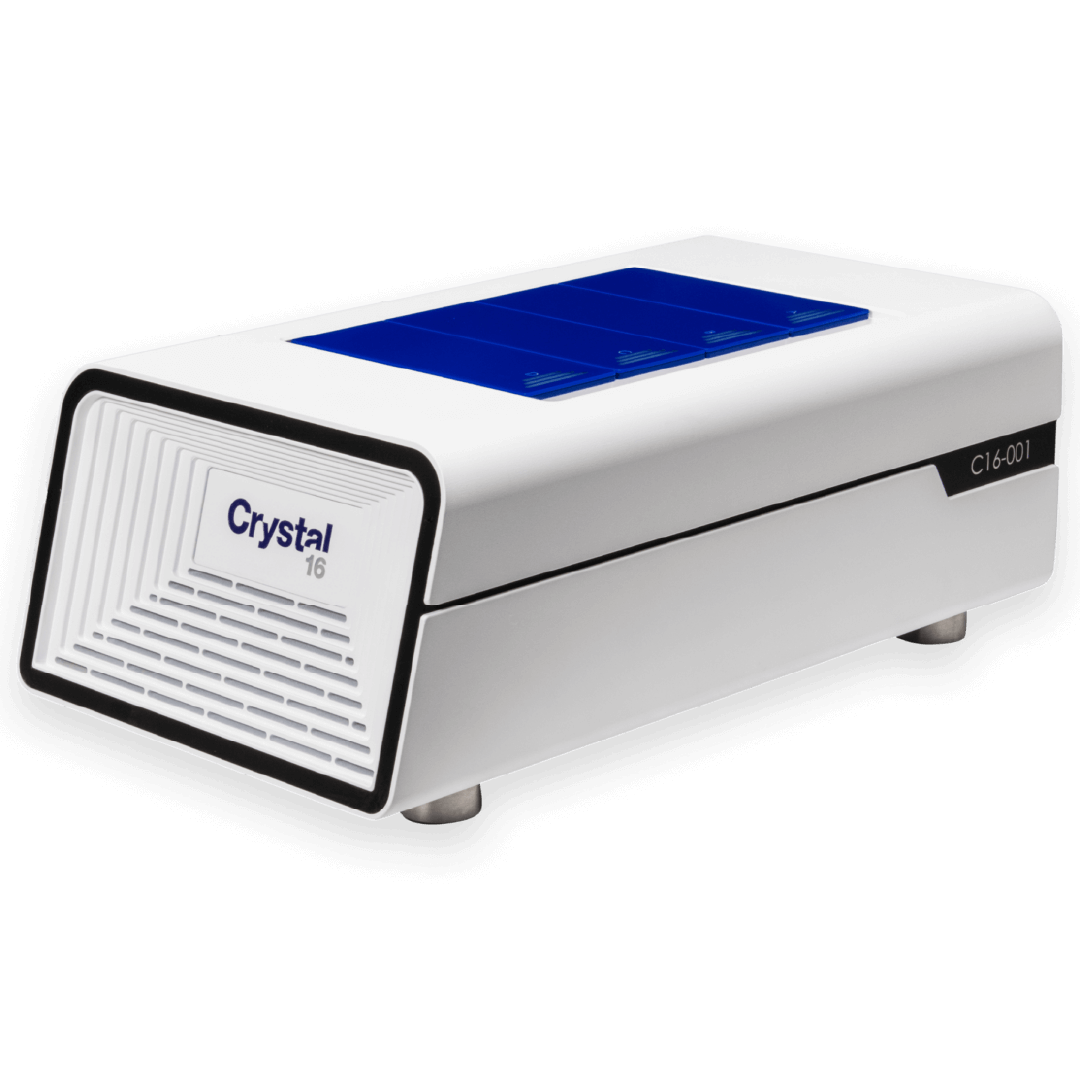
Multi-reactor crystallizer with 16 reactors of 1 mL. Turbidity probes find clear and cloud points for solubility curves and MSZW, plus polymorph, salt and co-crystal screening.
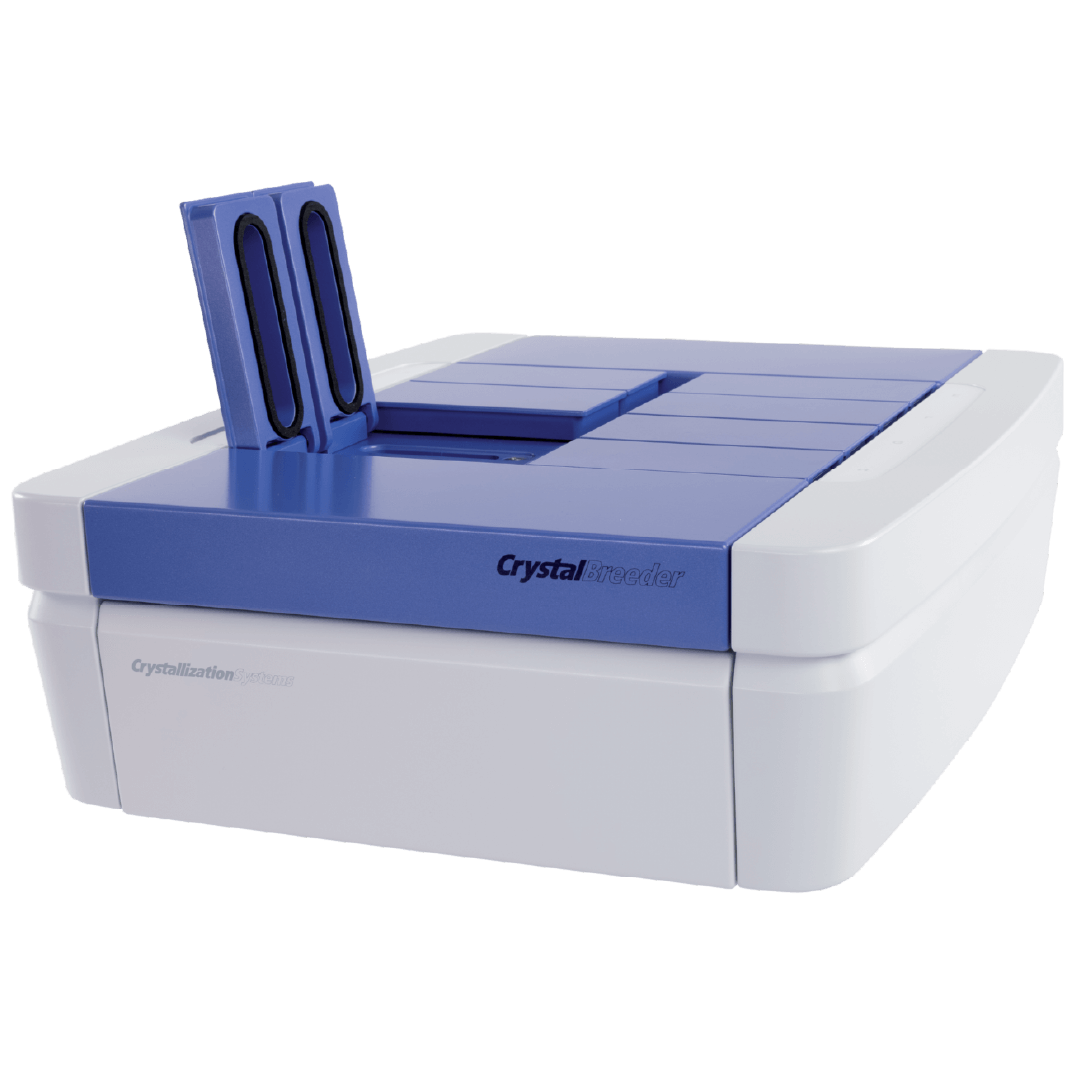
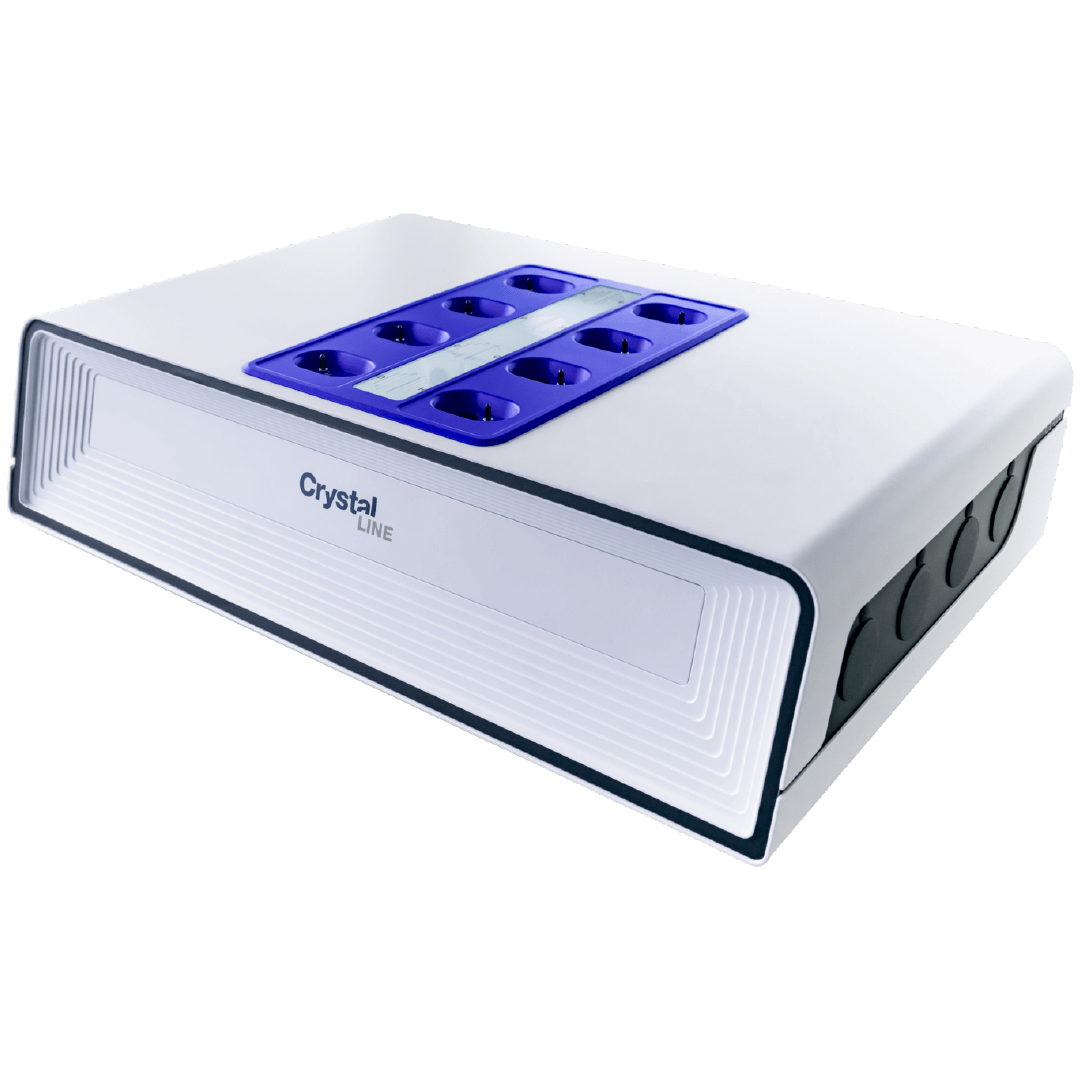
Eight parallel reactors with in-line cameras (0.63 µm per pixel) for real-time particle imaging at mL scale, with optional Raman and AI-based particle analysis.
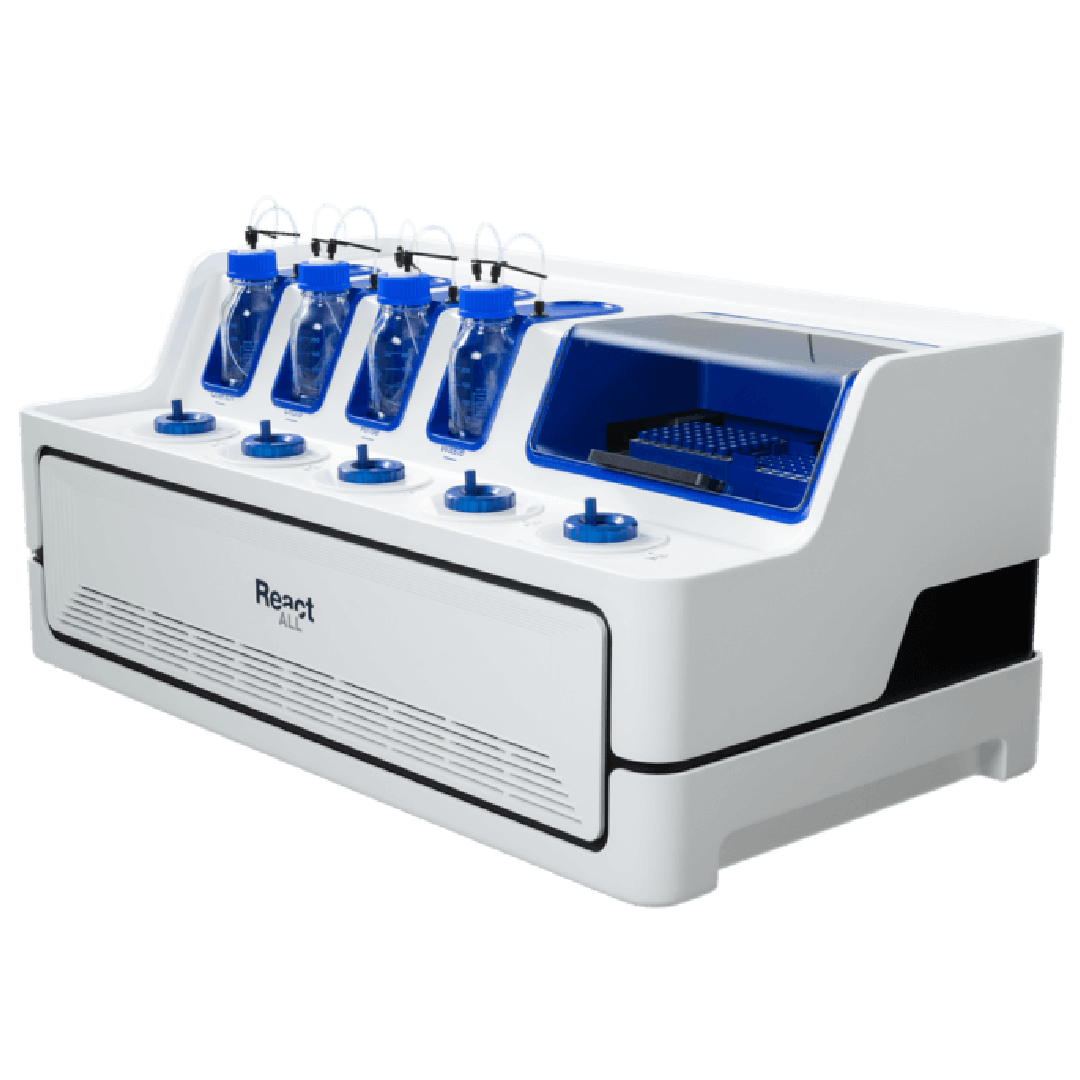
Five small-scale reactors (5–10 mL) for reaction screening, optimisation and kinetics, with automated SmartCap sampling and −10 °C to 150 °C without a chiller.
Tell us about your compound, how much sample you have, and what you need to find out, such as polymorphs, solubility, particle size or reaction kinetics. We’ll recommend the right Technobis instrument and help you book a lab visit.

 Technobis crystallization systems